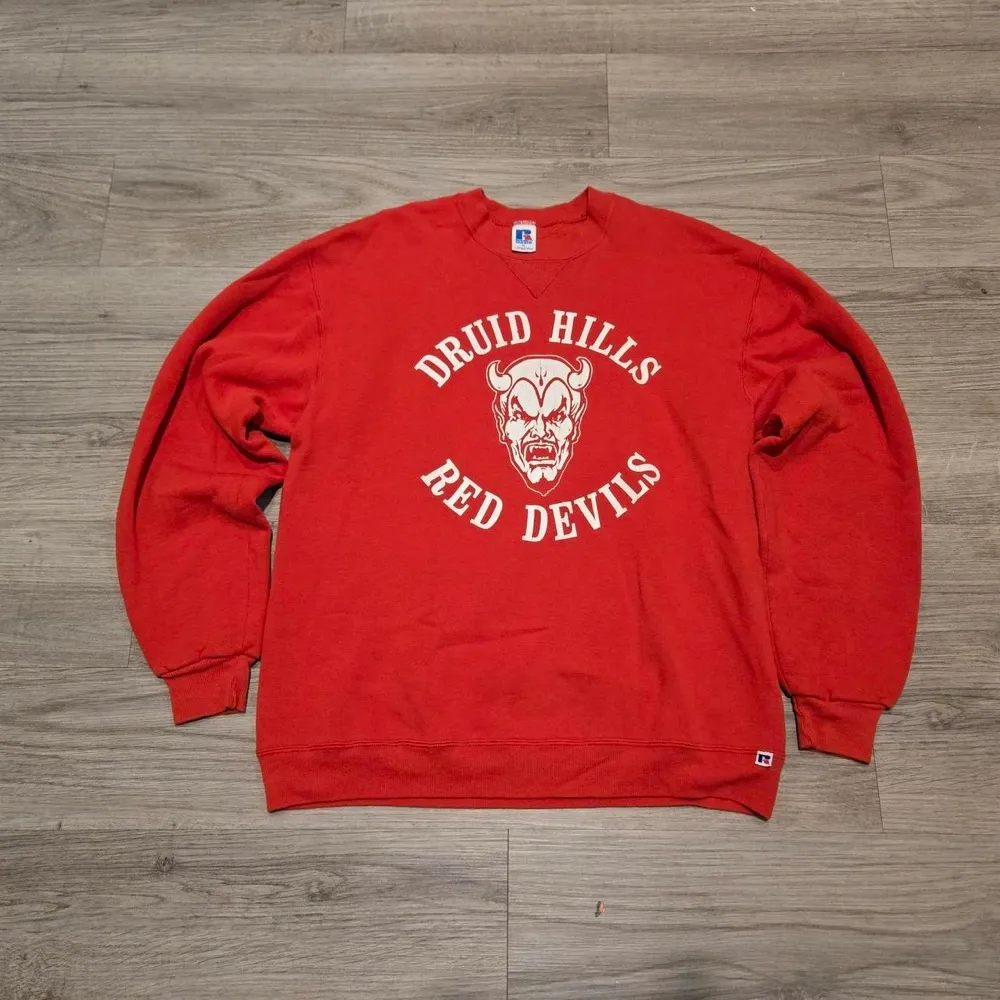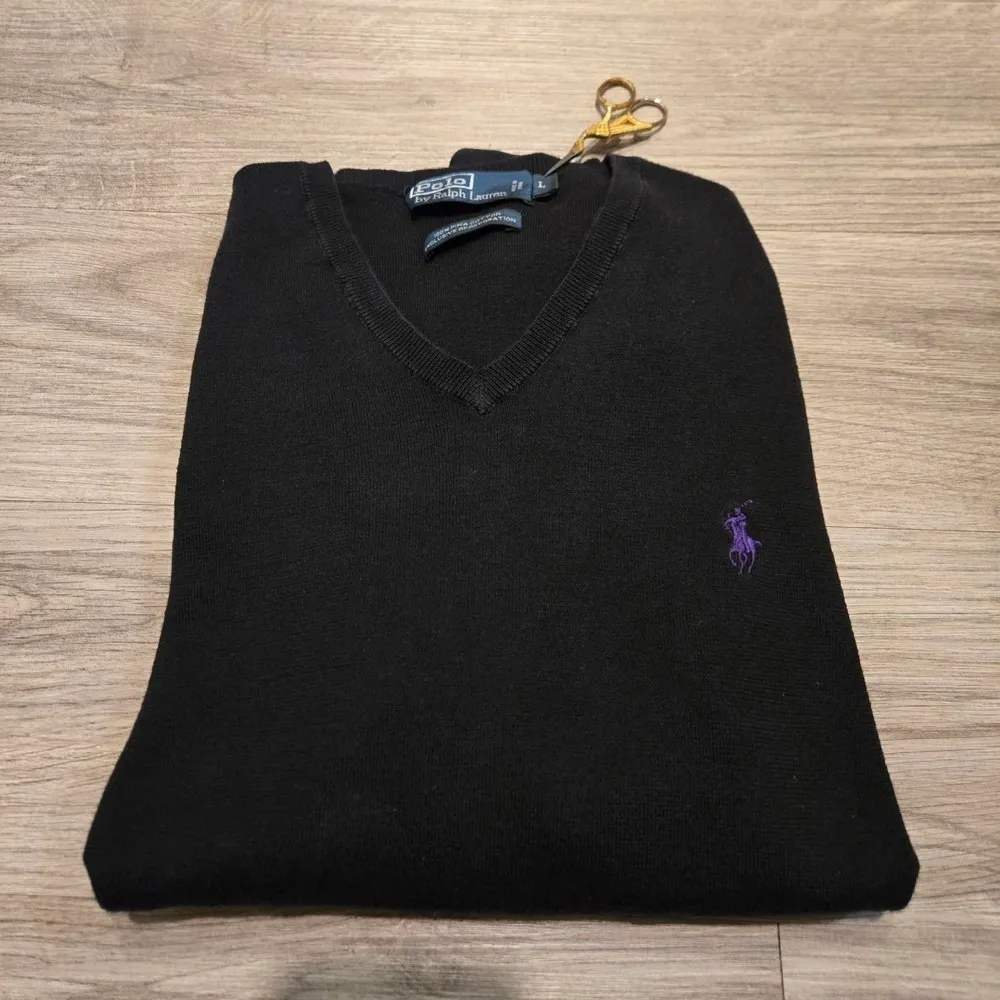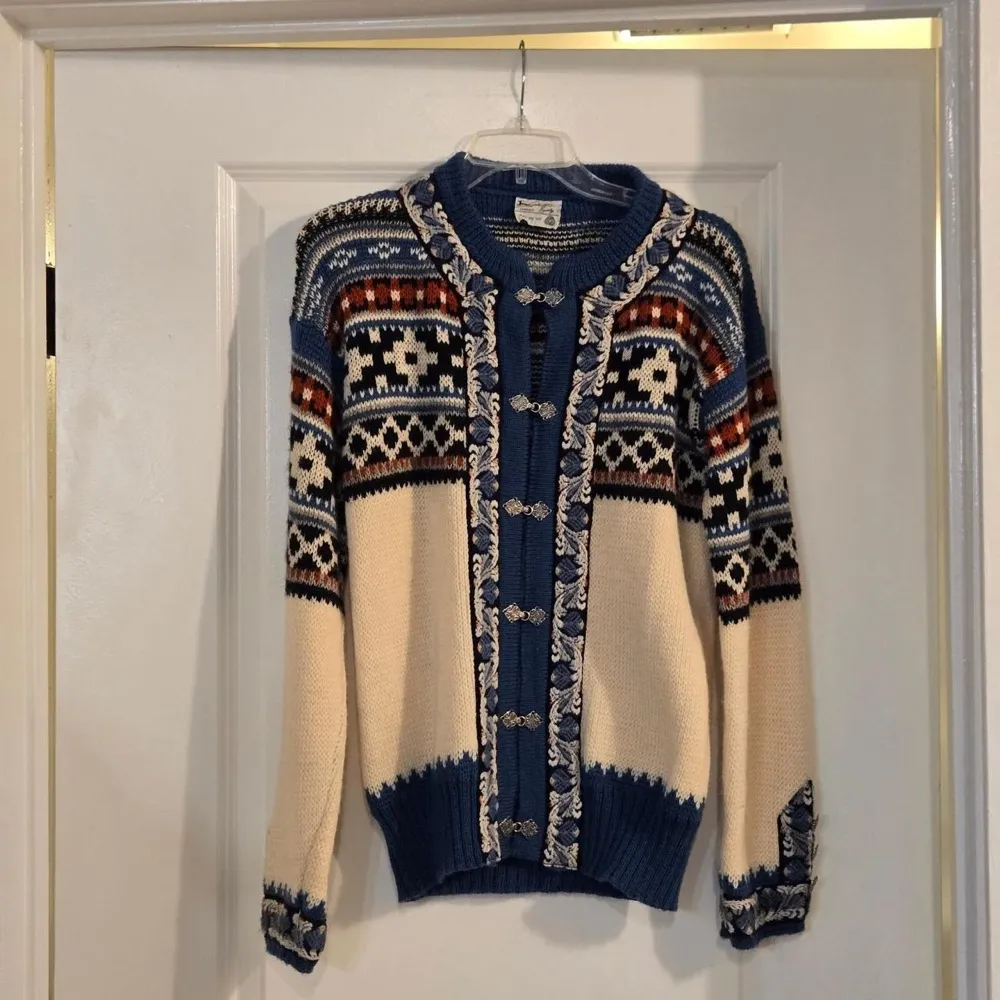
Wool from past decades is often better made than new wool at the same price, but it needs gentle care. Most damage to vintage wool comes from three things: hot water, rough drying, and moths.
Washing
- Wash only when needed. Wool resists odor naturally. Airing a sweater outside or on a hanger overnight often freshens it enough.
- Hand wash in cool water. Use a basin of cool or lukewarm water with a small amount of wool wash or gentle shampoo. Hot water and agitation cause felting, which shrinks the fibers permanently.
- Soak, do not scrub. Let the piece soak for 10 to 15 minutes, press the water through it gently, then rinse in water of the same temperature.
- Remove water without wringing. Roll the sweater in a dry towel and press to absorb the water.
Drying
Lay knitwear flat on a dry towel or a mesh rack, shaped to its original size, away from direct sun and heat. Hanging a wet sweater stretches the shoulders and length. Coats can dry on a wide, padded hanger.
Removing pills
Small balls of fiber, called pills, form where wool rubs against itself. A sweater comb or fabric shaver removes them. Work gently on a flat surface.
Storing and preventing moths
- Store clean. Moths are attracted to body oils and food traces, so clean wool before putting it away for the season.
- Fold sweaters. Hanging stretches knitwear over time. Fold and store it in a drawer or breathable cotton bag.
- Use cedar or lavender. Both help deter moths. Sand cedar blocks lightly each season to refresh the scent.
- Freeze new arrivals. If you bring home a piece from an estate sale and are worried about moths, seal it in a bag and freeze it for about a week before storing it with the rest of your wardrobe.
We look over every wool piece for holes before listing it. Browse the current knits in Sweater Weather.