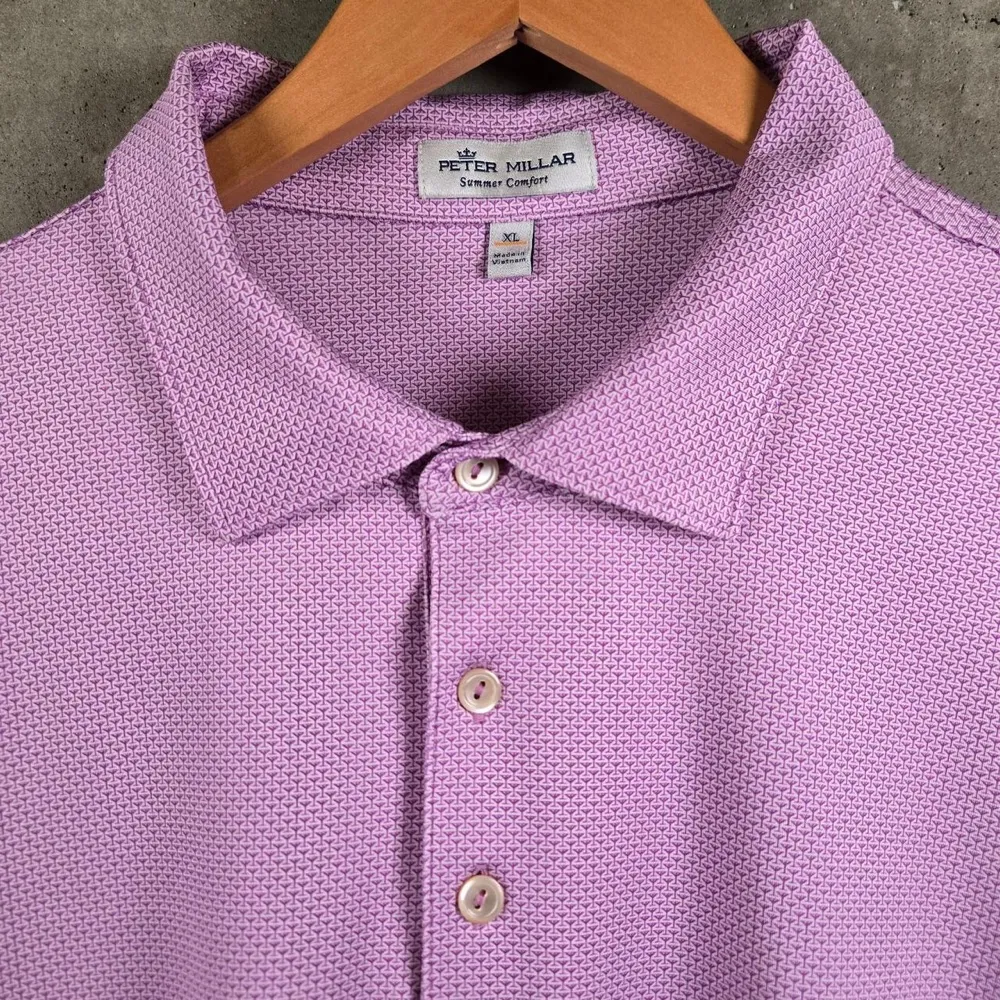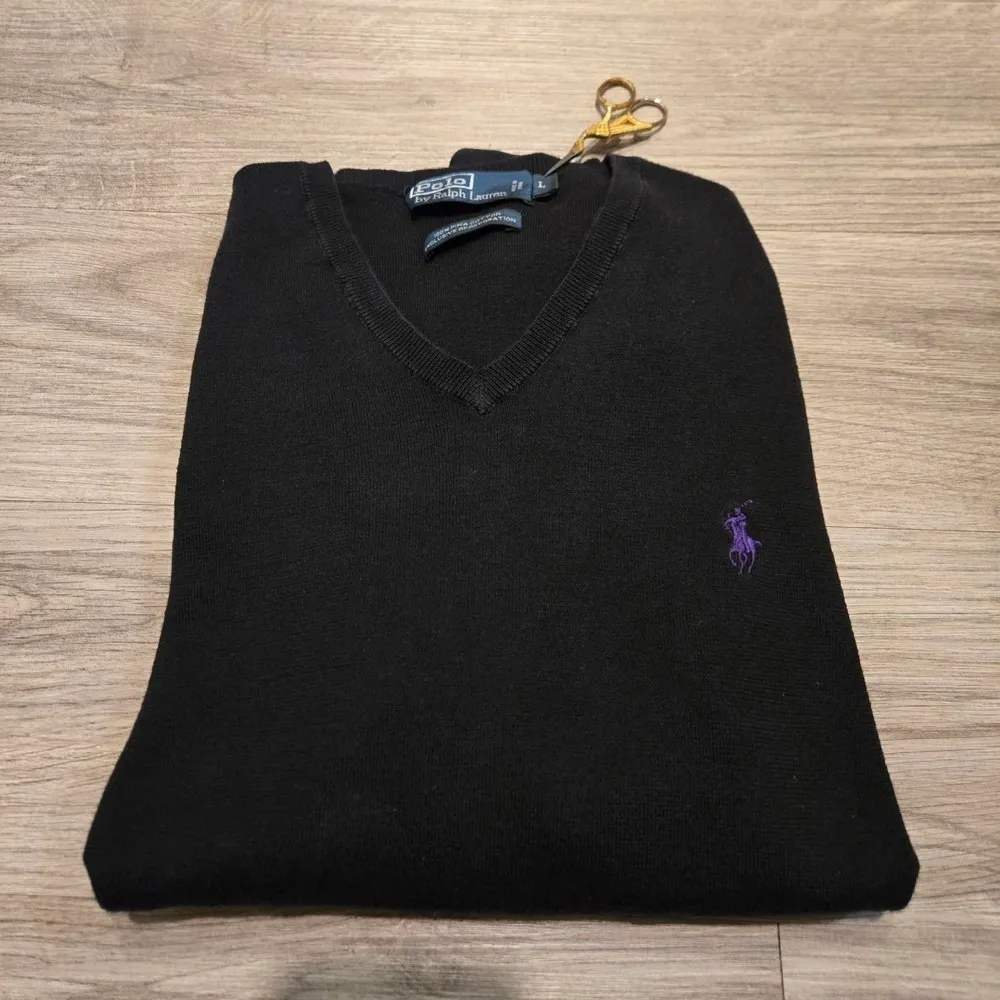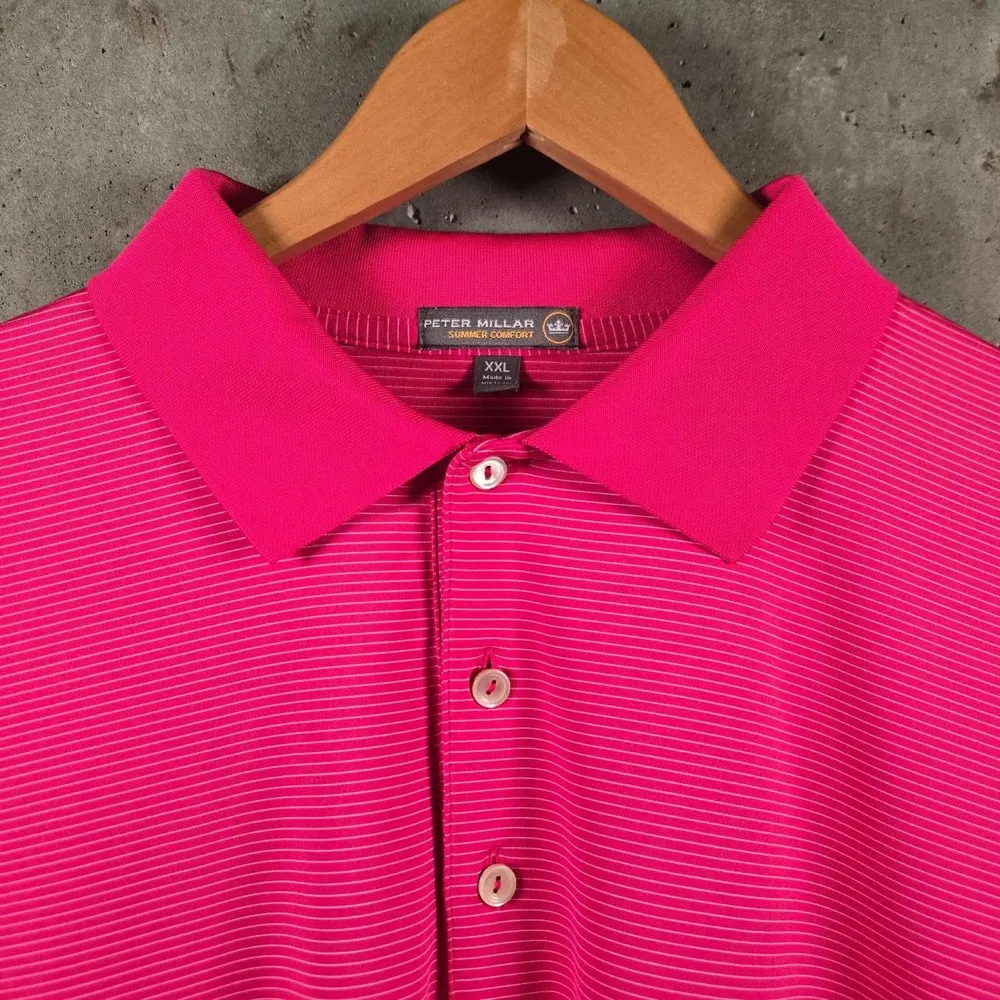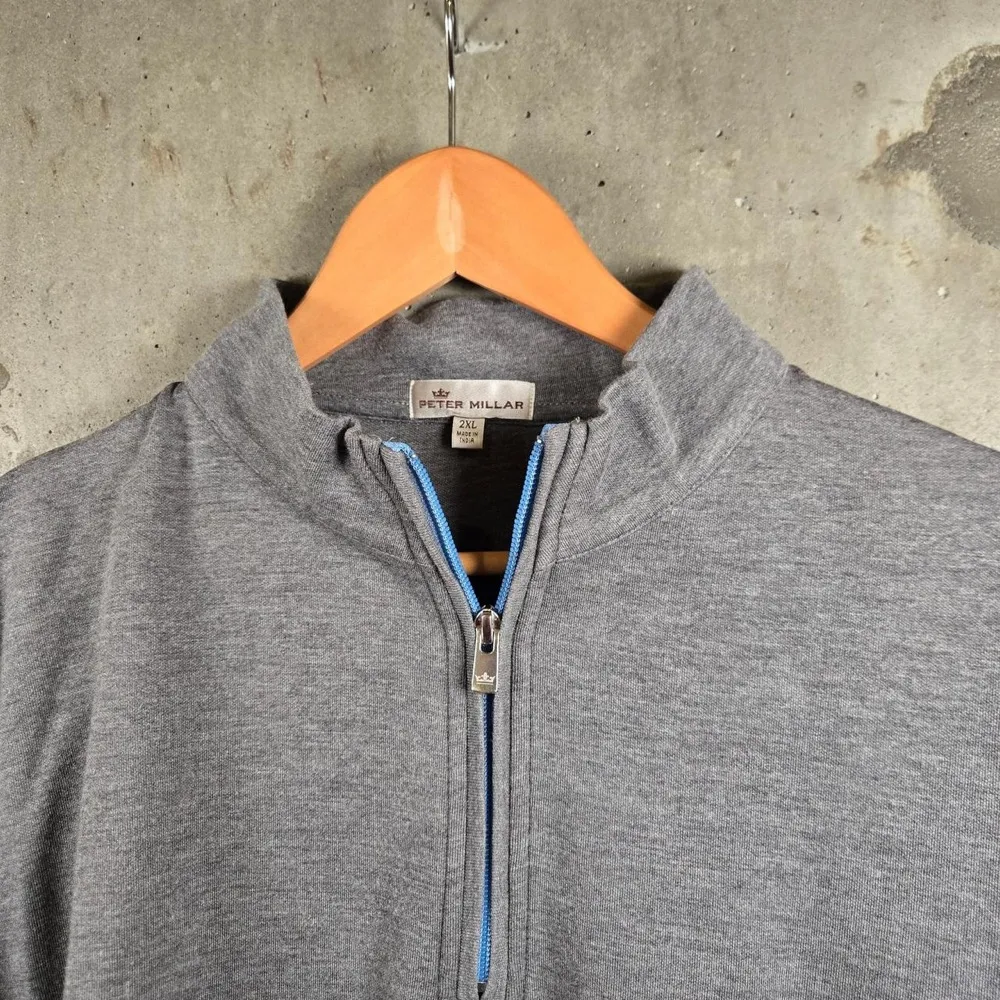
The size on a vintage tag is only a starting point. Sizing standards have changed over the decades, and many brands have gradually made their clothing larger for the same labeled size, a practice often called vanity sizing. A women’s size 12 from the 1960s may fit like a modern size 6 or 8, and men’s shirts from older decades are often cut slimmer through the body.
Measure instead of trusting the tag
The most reliable approach is to compare measurements with a piece you already own and like. Lay your own shirt or sweater flat and measure these three things:
- Pit to pit. Measure straight across the chest from one armpit seam to the other. Double it for the full chest.
- Length. Measure from the highest point of the shoulder, next to the collar, down to the hem.
- Sleeve. Measure from the shoulder seam to the end of the cuff.
Most of our Depop listings include pit-to-pit and length measurements, so you can compare before you buy.
What to expect by category
| Category | How it tends to fit compared with modern sizing |
|---|---|
| 1950s to 1970s shirts and knits | Usually runs one size smaller |
| 1980s and 1990s sweatshirts and tees | Often boxier and shorter in the body |
| 1990s and 2000s golf polos | Generous through the chest, close to modern relaxed fit |
| Women’s dresses and skirts before 1980 | Often two or more sizes smaller than the labeled number |
Shrinkage has already happened
One benefit of vintage is that cotton and wool pieces have usually been washed many times, so most of their shrinkage is already done. A piece that fits now will generally keep fitting if you wash it gently.
When in doubt, ask
If a listing does not have the measurement you need, message us on Depop or Instagram. We will measure it and send photos.